

Select your final victory
YOUR COMMUNITY RESULTCoop RookieOpening rivals
Your first challengers heard the call. A louder rematch awaits.
Unofficial community title based on the selected result — not a canonical game ending.
 CHOICER VOICERPLAY ONLINE
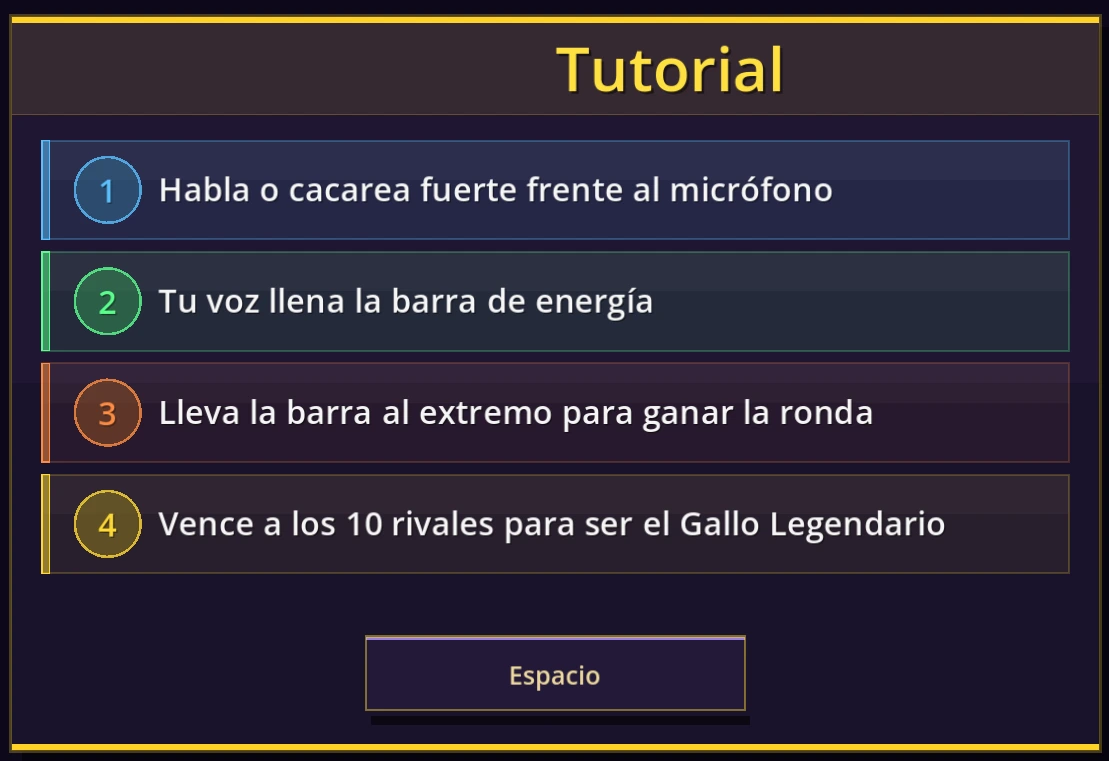
Cluck, shout, or speak into the microphone for three seconds and push the live battle bar past a ladder of increasingly impossible chickens.

Give the microphone your loudest three seconds and push the battle bar toward victory.
Choose another browser game without leaving the studio. The current game stays in the shelf.
Explore the full rival ladder, compare community wins and see who conquered the coop.
Your first challengers heard the call. A louder rematch awaits.
Unofficial community title based on the selected result — not a canonical game ending.
1. Pollito0 runs · 0%
2. Gallina Tímida0 runs · 0%
3. Gallina Normal0 runs · 0%
4. Gallo Musculoso0 runs · 0%
5. Gallina Ninja0 runs · 0%
6. Gallo Pirata0 runs · 0%
7. Gallo Robot0 runs · 0%
8. Gallo Dragón0 runs · 0%
9. Gallo Dios0 runs · 0%
10. Gallo Intergaláctico0 runs · 0%
The board will display every verified submission here.
Upload the round or opponent screen and choose the highest rival you defeated. Remove names, notifications, faces and private chat before uploading.
This is an independent browser presentation. Game facts on this page were checked against the creator's listing, and the gameplay images show the interface and voice-driven play described below.

Setup, play rhythm, group etiquette, troubleshooting, and replay ideas for a smoother browser session.
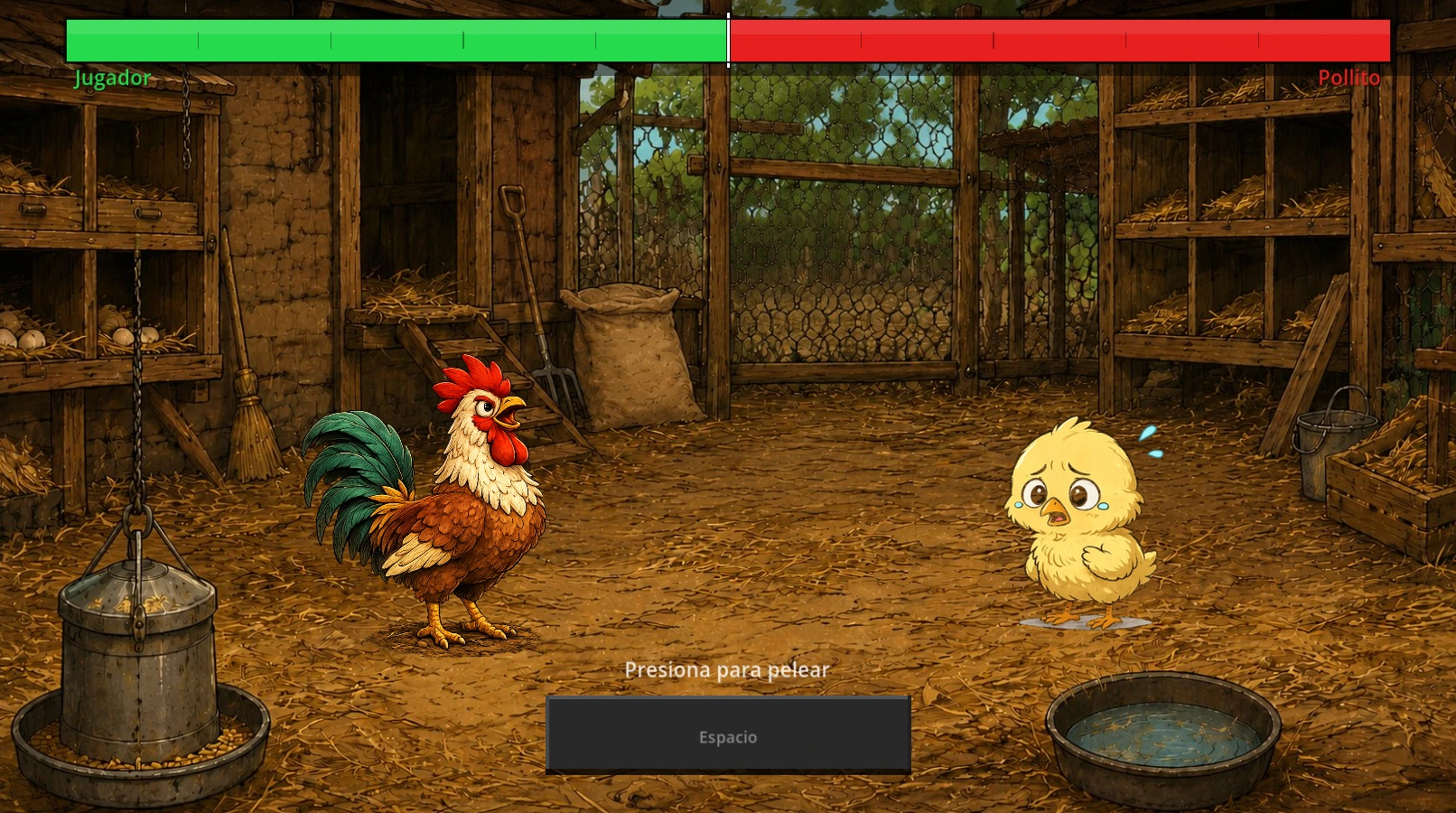
Cluck Battle reduces a fight to one wonderfully readable contest: make sound into the microphone for three seconds and move the battle bar toward your side. The input may be a cluck, a shout, or strong speech; the game responds to loudness in real time rather than judging whether the player sounds like a convincing chicken. That simplicity gives the browser game immediate party appeal. A new player can understand the objective by watching one attempt, while the live meter creates suspense because every rise or dip is visible. The theme turns microphone testing into performance. Instead of staring at a technical level indicator, you confront an opponent and give the measurement a comic purpose. Runs are short enough to pass the device between players, compare approaches, and retry without setup becoming the main event. The result is an arcade challenge that welcomes dramatic delivery but remains grounded in a single, understandable signal: controlled volume over a brief window.
Before pressing Start, connect the intended input and make sure the operating system shows a moving level when you speak normally. Allow microphone access when the browser asks. The objective rewards a strong signal, but louder is not automatically better if the microphone clips, the room echoes, or the player strains their voice. Begin at a comfortable speaking volume and move closer to the microphone before increasing vocal force. Keep the device slightly to the side of the mouth to reduce bursts of air, and lower system input gain if ordinary speech already fills the meter. Headphones prevent game sound from returning through speakers and influencing the measurement. In a group, explain where the microphone is and keep spectators from shouting during someone else's three-second turn. A fair session uses the same device position and gain for everyone, so the battle reflects the performance rather than a hidden settings advantage.
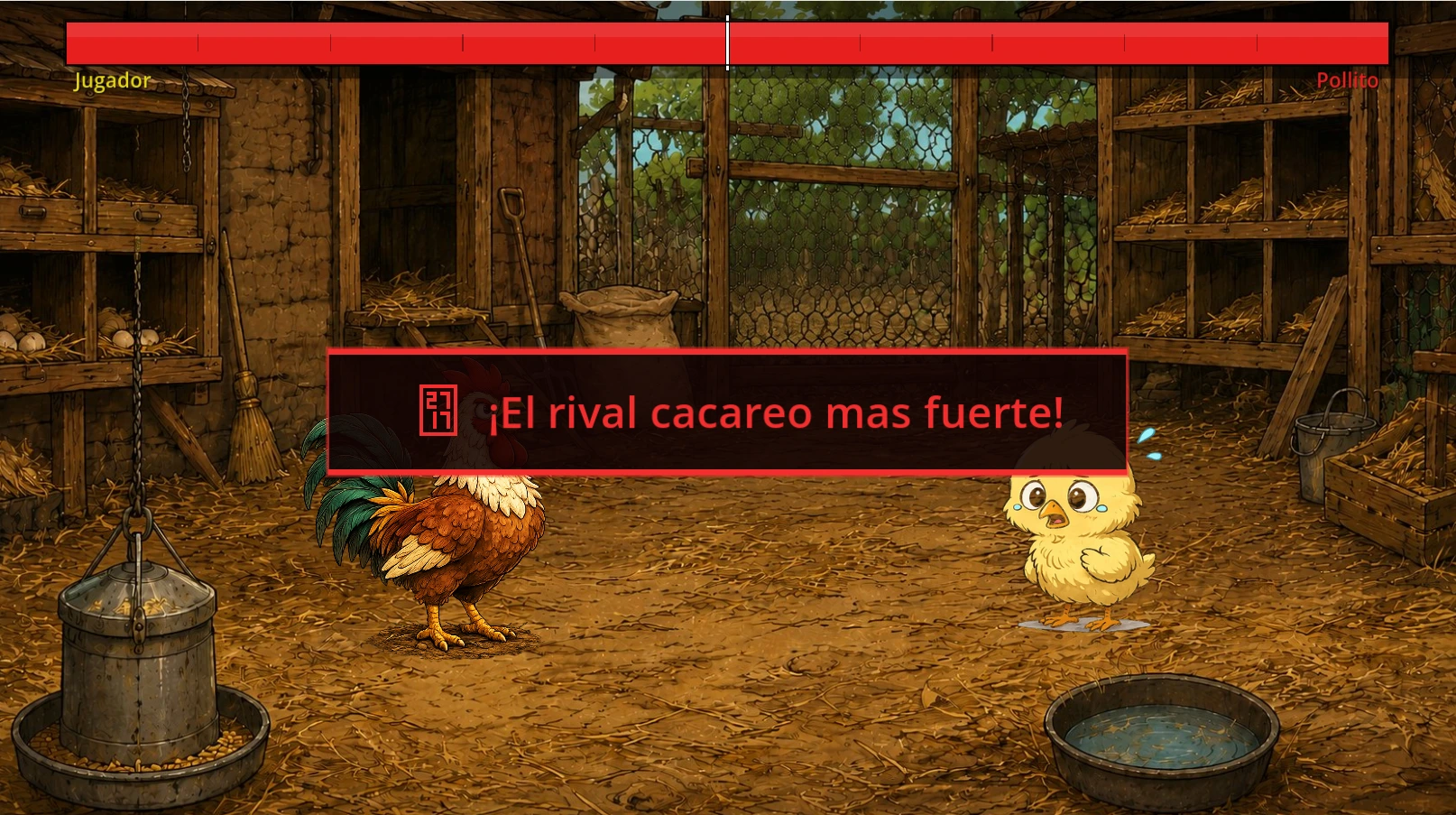
The battle bar is feedback, not decoration. Watch how quickly it moves when the round begins, whether it holds while the voice remains steady, and whether it falls during breaths or syllable gaps. A single explosive sound may create an impressive spike but lose ground afterward. Sustained speech or a continuous cluck can be more effective because it maintains input across the whole interval. Experiment at a safe volume: try one round with a steady vowel, one with repeated short clucks, and one with a spoken phrase delivered evenly. The visual response reveals whether the game favors continuity, peak intensity, or a combination under the current microphone conditions. Do not place the microphone directly against the mouth; wind noise can look loud without being a useful vocal signal. The best technique is repeatable. If a method wins once but causes clipping, coughing, or discomfort, reduce intensity and improve distance rather than treating pain as part of the challenge.
The official description lists ten unlockable rivals that escalate from a trembling chick through shy and ordinary hens to muscular, ninja, pirate, robot, dragon, divine, and intergalactic roosters. This sequence gives the compact mechanic a clear sense of progress. Each opponent is a new comic milestone and a reason to perform another round, even though the core control remains familiar. Treat the ladder as an arcade campaign rather than proof that later characters demand unsafe volume. If a rival feels much harder, revisit microphone position, input gain, background noise, and the steadiness of the three-second performance. Record which technique was reliable, not merely which attempt produced the largest spike. Unlock progression also works well for pass-and-play: one person attempts the next rival, then hands the microphone to another after a loss or victory. Keep spoilers light when sharing the game so new players can discover the increasingly absurd opponent designs in order.
Although the game is listed as single-player, its short rounds naturally support a local party structure. Choose a fixed microphone position, set a comfortable maximum volume, and give every participant one warm-up before scores or progression matter. Rotate turns rather than allowing one player to repeat indefinitely. A simple format is best of three: each player performs three battles, and the group records victories or the highest opponent reached. Another option is imitation rounds where everyone uses the same phrase or clucking rhythm, making style as important as raw level. Do not surprise people by recording them, and do not pressure a participant to shout. Spectators should remain quiet during measurement, then react after the three-second window. If children play, an adult should set a safe sound expectation and prevent the challenge from becoming a contest of painful screaming. The humor comes from committed performance and escalating chicken opponents, not from risking anyone's voice or hearing.
The creator lists Spanish, English, and French support. Choose the language that makes microphone permission, instructions, progression, and settings easiest for the active player to understand. The vocal input does not require a particular language because loudness drives the duel, but interface clarity still matters. In a multilingual group, let each participant use a comfortable word or chicken impression while keeping the rules consistent. Avoid assuming that translated text changes the underlying sensitivity; if the bar responds differently, investigate distance, device selection, and background noise first. Language support also makes the game useful as a low-pressure social icebreaker. Players can compare how an expressive cluck, exclamation, or sustained vowel sounds across languages without turning pronunciation into a test. When sharing a link, mention that the game offers all three interface languages so friends can choose before beginning their first battle.
If the meter remains still, confirm that the browser granted microphone permission to this site and that the correct device is active in system sound settings. Close conferencing, streaming, recording, and voice-chat tools that may hold exclusive access to the input. Reload the page after changing permission so the iframe can request a fresh stream. Click inside the game frame before starting, especially on mobile browsers that require a user gesture before audio capture. If the bar moves when the room is silent, reduce input gain, wear headphones, move away from fans or speakers, and disable automatic audio enhancement when possible. If it moves too little, bring the microphone closer and test normal speech before shouting. A managed school or workplace browser may block microphone access by policy. Test the site's dedicated microphone tool or another trusted recording application to distinguish a device problem from a game-specific issue.
The official listing includes an HTML5 version, while the broader release also names Windows and macOS. Browser play is most predictable on a current desktop Chrome or Edge session because microphone selection and permission controls are visible. A phone or tablet may work, but mobile browsers can suspend the page, switch microphones, limit fullscreen, or require another tap before audio starts. Keep the browser in the foreground, disable silent-mode assumptions, and avoid switching apps during a duel. Hold the device at a consistent distance rather than moving it toward the mouth as the bar changes. If orientation affects the layout, use the position that keeps the whole battle interface visible and prevents accidental page scrolling. A mobile failure does not necessarily mean the game is unavailable; retry after closing other audio apps and confirming the browser has microphone permission in the device privacy settings.
The share control on this page distributes the page URL; it does not capture microphone audio or automatically publish a performance. That boundary is useful. Invite friends to attempt the same opponent, describe the rule, and let them choose whether to record their own result. If you make a social clip with a separate screen recorder, confirm that everyone who can be heard or seen agrees, avoid exposing notifications or personal tabs, and label the game and creator accurately. TikTok and some other platforms do not provide a universal web-share endpoint, so copying the link is often the reliable handoff. A good challenge post states the opponent reached, the microphone setup, and whether the attempt used speech, clucking, or a sustained sound. It should not claim an official world record unless the creator provides a verified leaderboard. Keep the rivalry playful and reproducible.
After the first victory, the most interesting improvement is not simply becoming louder. Try to hold the bar with less strain, win from a slightly greater microphone distance, or invent a distinct voice for every unlocked rival. A consistency challenge asks a player to repeat the same result three times; a character challenge rewards the funniest safe performance; a technical challenge uses the lowest input gain that still produces reliable movement. These variants turn a tiny mechanic into a flexible session. When the room wants another style of voice play, use the shared Play More shelf. Sea Shanty Disaster shifts from volume to pitch and cooperative steering, while The Choicer Voicer focuses on prompted performances and playback. Moving between them also helps diagnose equipment: if the microphone works in Cluck Battle but not another game, the issue may involve pitch calibration or game-specific permission rather than the browser's entire audio path.
Practical answers based on the playable browser presentation and the creator's public description.
Yes. Press Start on this page to load the HTML5 game in an iframe. Grant microphone permission when prompted.
Cluck, shout, or speak strongly for three seconds. Your live microphone volume moves the battle bar toward your side.
The creator lists ten unlockable opponents, beginning with a chick and escalating through themed chickens to an intergalactic rooster.
The published instructions describe volume-based control, so no particular phrase or language is required for the battle input.
The official listing says the game is available in Spanish, English, and French.
No. Use a comfortable, sustained voice and adjust microphone distance or input gain. Stop if your throat or ears feel uncomfortable.
Check browser and system microphone permission, choose the correct input, close competing audio apps, reload, and test ordinary speech close to the microphone.
The game is listed as single-player, but its short rounds work well for local pass-and-play challenges using one device and consistent microphone settings.
No. This independent page embeds a browser copy and links to LuisFuentes' creator listing as the factual source.